
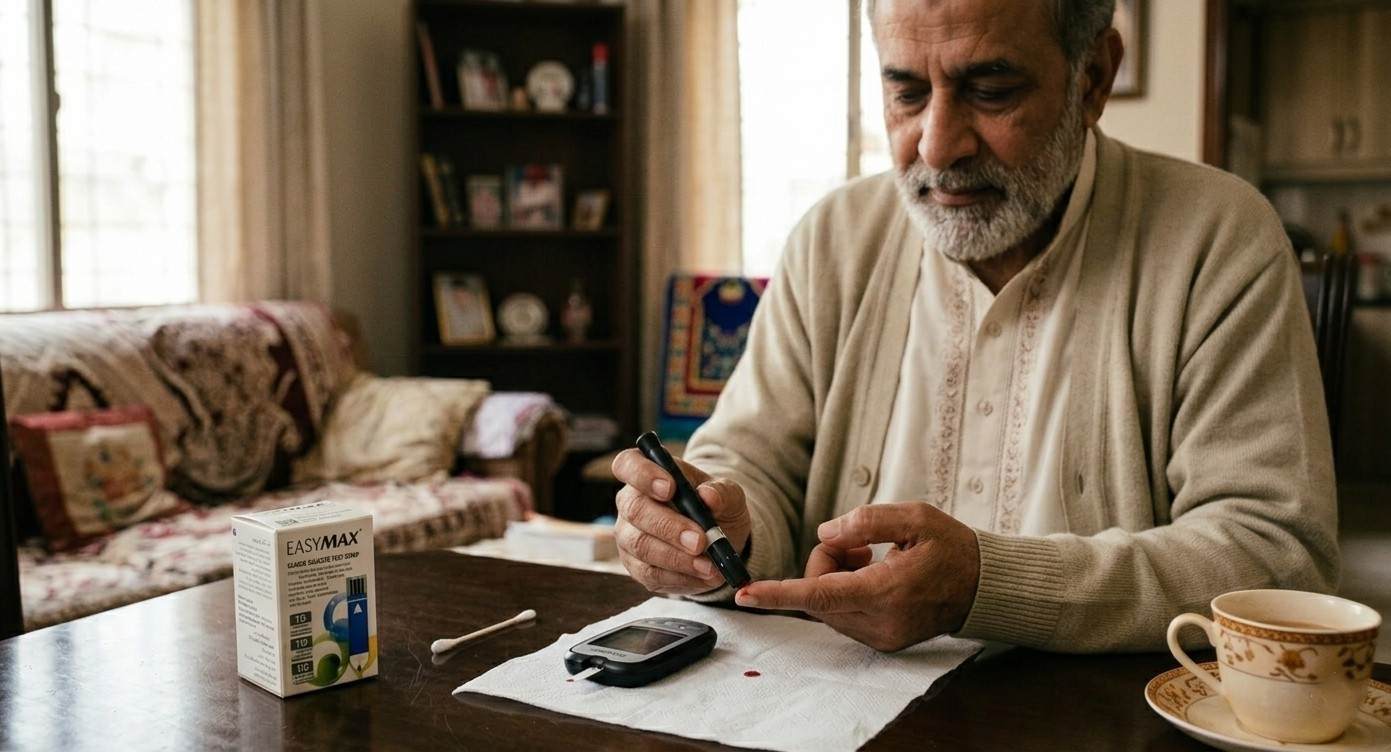
Pakistan’s Silent Diabetes Storm: Is Your Family Really Safe?
You’ve probably heard someone say it at a family gathering: Uncle’s not feeling well; his sugar shot up again. It sounds routine, almost forgettable. But behind that casual sentence is a health crisis that’s quietly reshaping the country.
A Number That Should Worry Every Household
According to recent estimates from the International Diabetes Federation (IDF) and the World Health Organization (WHO), Pakistan now ranks among the countries with the fastest-growing diabetes rates in the world. Adult prevalence has climbed to roughly 31% of the population — more than 30 million people. Just a decade ago, these numbers looked nothing like this. The speed of the rise is what makes it alarming: diabetes is no longer a disease of “old age” or “rich food.” It’s showing up in every income group, every province, every age bracket over 30.
Why It’s Called the “Silent Killer”
The most dangerous part of diabetes isn’t the diagnosis — it’s the delay in getting one. A huge share of people living with high blood sugar in Pakistan don’t know it yet. There’s no dramatic symptom in the early stages. No fever, no visible wound, nothing that sends you rushing to a doctor.
Instead, it works quietly in the background — straining the kidneys, wearing down blood vessels around the heart, and damaging nerves — for months or years before anything feels wrong. By the time symptoms appear — blurred vision, slow-healing wounds, constant fatigue, tingling in the feet — the damage is often already done. This is exactly why thousands of families lose loved ones every year not to diabetes itself, but to the complications it causes when it goes unnoticed for too long.
The Good News: It’s Manageable — If You Catch It Early
Diabetes is one of the most controllable chronic conditions, provided you know your numbers. The problem isn’t that treatment is hard. The problem is timing.
Most people only visit a doctor once symptoms are already serious — and by then, options are more limited, and outcomes are harder to reverse. Meanwhile, standing in long lab queues every few weeks to check a blood sugar reading is inconvenient enough that most people simply stop bothering.
The solution is far simpler than people assume: bring the testing home.
Why Every Household Needs a Glucometer
A reliable glucometer and a stock of testing strips are no longer a luxury item — they’re becoming a basic health essential, the same way a thermometer or a blood pressure monitor already is in most homes.
Checking your fasting sugar in the morning, or your levels after a meal, takes about five minutes. That’s it. No appointment, no queue, no waiting days for a lab report.
What changes when you do this regularly:
- You catch abnormal readings early — before they turn into a medical emergency.
- You can adjust your diet and routine immediately, instead of guessing.
- You walk into doctor visits with real data, which makes consultations faster and more accurate.
- Elderly parents and family members at risk get monitored consistently, not just when they “feel off.”
For households with older parents, a family history of diabetes, or anyone managing prediabetes, home monitoring isn’t extra effort — it’s basic prevention.
Don’t Wait for Symptoms to Do the Talking
Health isn’t something you get to postpone. Diabetes doesn’t announce itself before it does damage — that’s the whole problem. The families who catch it early are the ones checking regularly, not the ones waiting for a warning sign that may never come until it’s too late.
Take the first step today. Order authentic and reliable EasyGluco glucometer and testing strip packages and start monitoring your blood sugar from the comfort of your home. Visit our store now and give your family the gift of early detection — because when it comes to health, tomorrow is a risk you don’t need to take.



Add comment