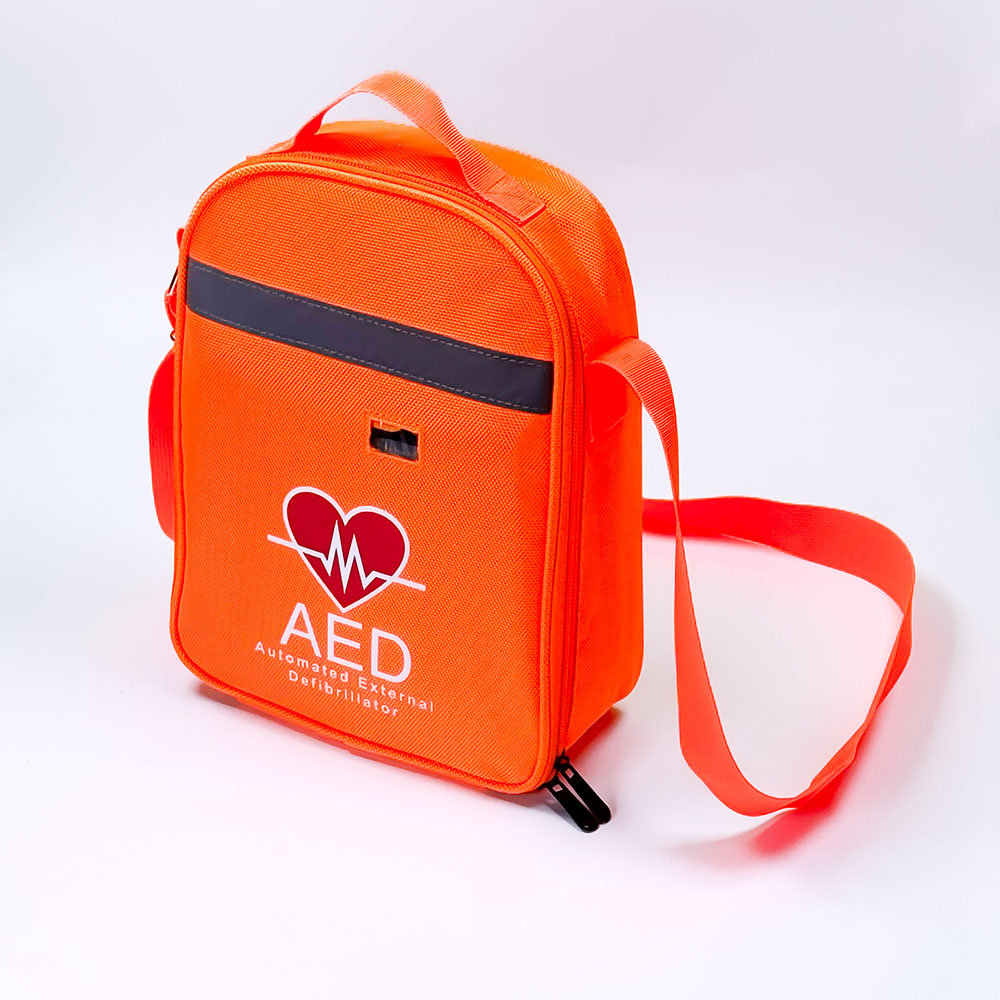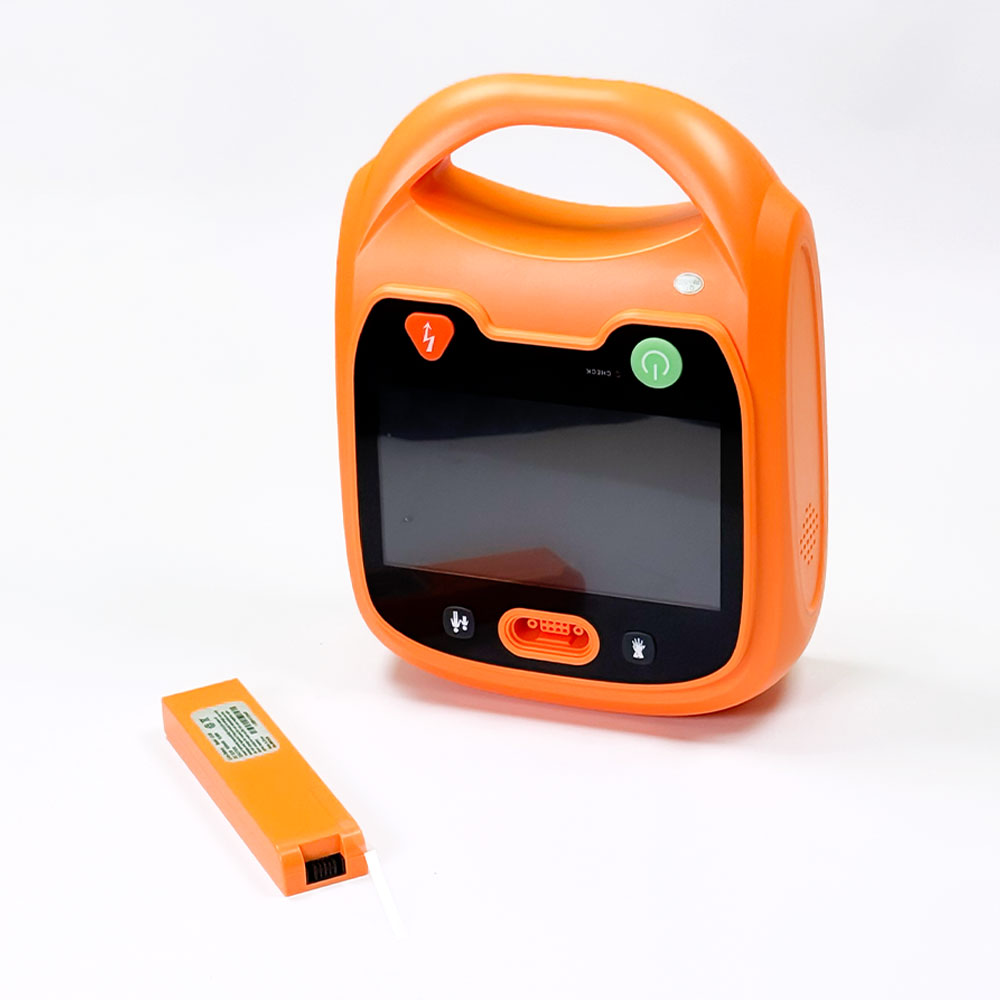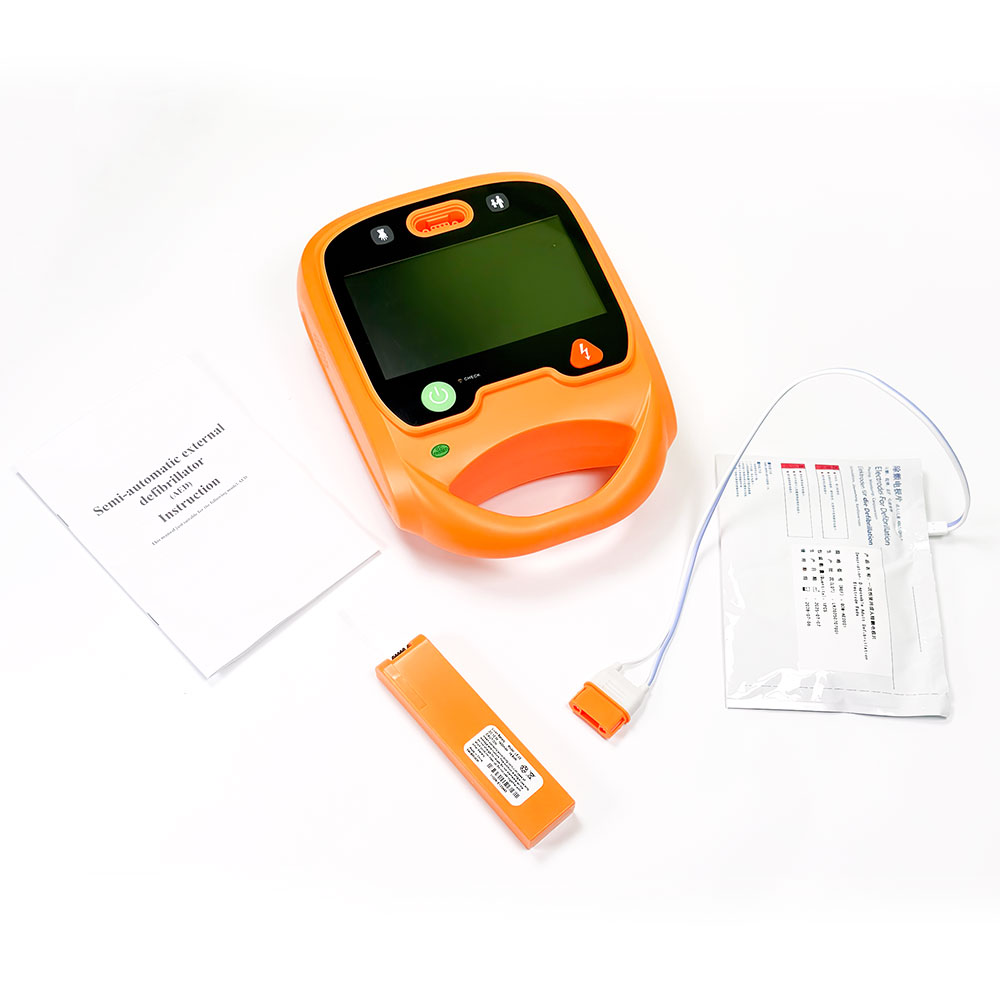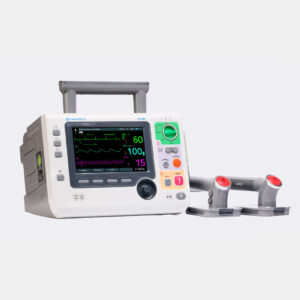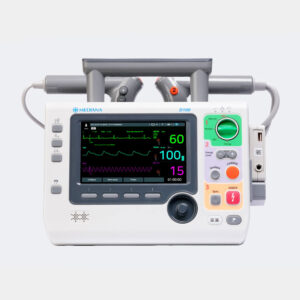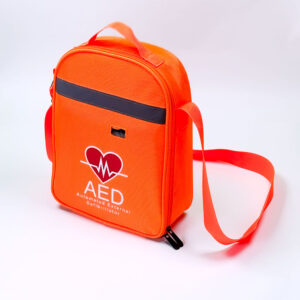
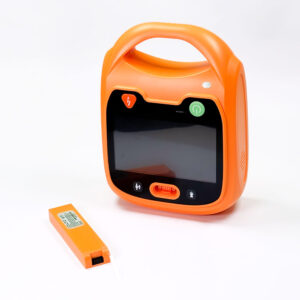
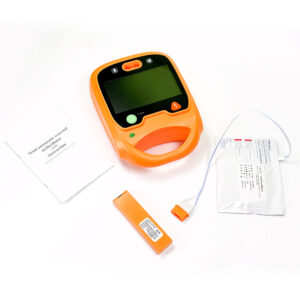
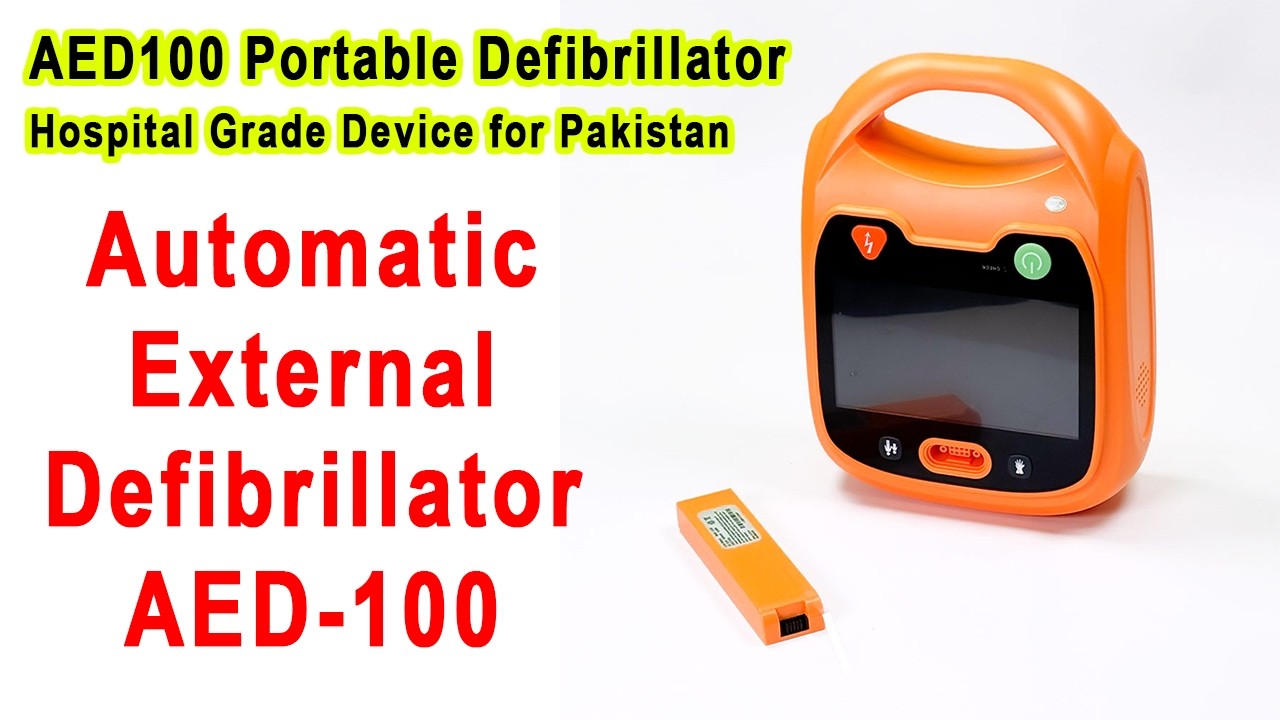
An Automated External Defibrillator (AED) is a life-saving device designed to treat people experiencing sudden cardiac arrest. The “AED 100” usually refers to a specific entry-level or standard model series produced by various medical manufacturers (such as Mediana, M&B, or Radian) designed for ease of use in public spaces or clinics.
Features of AED 100 Models
- Ease of Use: Designed for both medical professionals and minimally trained bystanders.
- Visual & Voice Prompts: Step-by-step guidance that instructs the user on pad placement, when to stay clear, and when to press the shock button.
- Self-Testing: Most units perform automatic daily, weekly, and monthly self-checks on battery life and circuitry to ensure readiness.
- ECG Analysis: The device automatically analyzes the patient’s heart rhythm to determine if a shock is actually needed (it will not shock if the rhythm is not “shockable”).
- BIPHASIC Waveform: Uses modern technology to deliver effective energy at lower levels, which is safer for the heart tissue.
Basic Operating Steps
- Power On: Open the lid or press the “On” button.
- Attach Pads: Peel the pads and apply them to the patient’s bare chest as shown in the diagrams on the packaging.
- Analyze: Plug in the connector (if necessary). Stay clear while the device analyzes the heart rhythm.
- Shock: If the device advises a shock, ensure no one is touching the patient and press the flashing Shock button.
- CPR: Resume CPR immediately after the shock or if no shock is advised, following the device’s metronome (timer).
Technical Specifications (General)
| Feature | Typical Specification |
| Operation | Semi-automatic (user presses button) or Fully Automatic |
| Energy Sequence | Often 150J – 150J – 200J (Adult) |
| Battery Life | 2 to 5 years (Standby) |
| Pad Type | Disposable, self-adhesive electrodes |
| Data Storage | Internal memory for ECG recording and event history |


Reviews
There are no reviews yet